

Most people ignore their kidneys until the problem is already severe. This silence is dangerous. Roughly one in seven adults lives with chronic kidney disease is a condition where kidney function declines over time, yet nearly half of those individuals have never been told. In the UK and globally, we face a silent epidemic. By the time symptoms like swelling or fatigue appear, you may have lost significant function. The goal isn't just to survive kidney failure; it is to catch the condition while intervention can still work. You have a window of opportunity.
Understanding what happens inside your body helps you spot the red flags before they become emergencies. Your kidneys filter waste from your blood. When they struggle, toxins build up. However, because your organs compensate so well, you often feel fine until damage is advanced. This is why waiting for symptoms is a trap. Instead, looking for specific biological markers provides the roadmap you need to keep your kidneys healthy.
The Two Essential Tests You Must Know
Diagnosing kidney issues requires more than a single check-up. Historically, doctors relied on serum creatinine alone, but that method missed up to 40% of early cases. Current standards demand a dual approach to get accurate answers. You need to ask for two specific measurements during your regular physical exam.
First, there is the estimated glomerular filtration rate measures how much blood filters through your kidneys per minute. Often called eGFR for short. This number tells you the percentage of normal kidney function you retain. If your eGFR drops below 60 mL/min/1.73 m², you are entering the danger zone for chronic disease. Second, you must test your urine for albumin. The Urine Albumin-to-Creatinine Ratio indicates protein leaking into your urine, signaling kidney stress. A value above 30 mg/g suggests damage even if your eGFR looks okay. Getting both results together gives you the complete picture that a single blood test cannot provide.
| Test Type | What It Measures | Risk Threshold |
|---|---|---|
| eGFR | Filtering capacity | Below 60 mL/min |
| uACR (Albumin/Creatinine) | Protein leakage | Above 30 mg/g |
| Serum Creatinine | Waste buildup | Elevated levels vary by age/sex |
Who Is at Highest Risk?
You might think kidney trouble is random, but genetics and lifestyle play a massive role. Certain groups require annual screening starting from diagnosis. If you have diabetes, your risk multiplies significantly. Guidelines suggest that patients with type 2 diabetes need testing every year. For type 1 diabetes, the clock starts five years after diagnosis. High blood pressure is another major culprit. Consistent readings above 130/80 mmHg strain the filtering units of your kidneys daily. Over time, this pressure causes scarring.
Beyond medical conditions, family history matters. If parents or siblings faced dialysis, your vigilance needs to increase. We also see disparities across different ethnic backgrounds. Research shows higher rates of progression in African American and Hispanic communities compared to others. Additionally, taking certain medications long-term, such as NSAIDs (like ibuprofen) or proton pump inhibitors, can slowly harm renal tissue. If you fit any of these profiles, waiting for symptoms is not an option. Proactive screening is essential to maintain long-term stability.

Understanding Stages and Damage
Once you have your test results, where do you stand? Doctors use a stage system to classify severity. Stage 1 means your function is normal (above 90), but you show signs of damage like protein in the urine. Stage 2 indicates mild reduction (60-89) alongside damage. These early stages are critical. Catching the issue here allows you to potentially reverse the trajectory or stop it completely. Many people ignore Stage 2 because they feel fine, but that is exactly when action counts most.
Moving to Stage 3 marks moderate loss (eGFR 30-59). This is often where complications like anemia or bone weakness start appearing. Stages 4 and 5 represent severe loss and failure respectively. At Stage 5, kidney replacement therapy like dialysis becomes life-supporting rather than optional. The difference between Stage 2 and Stage 3 can sometimes take years if managed correctly. However, without treatment, the decline accelerates rapidly.
Stopping the Declare: Treatment and Lifestyle
When you identify Chronic Kidney Disease early, you unlock specific treatment tools. Medications have evolved beyond just controlling symptoms. SGLT2 inhibitors, originally designed for diabetes, now play a key role in protecting kidneys. Clinical trials show they reduce progression to kidney failure by roughly 30% in eligible patients. Blood pressure control remains the bedrock of protection. Targeting 130/80 mmHg instead of 140/90 cuts progression risk by a quarter. It is a small shift in targets that yields massive survival benefits.
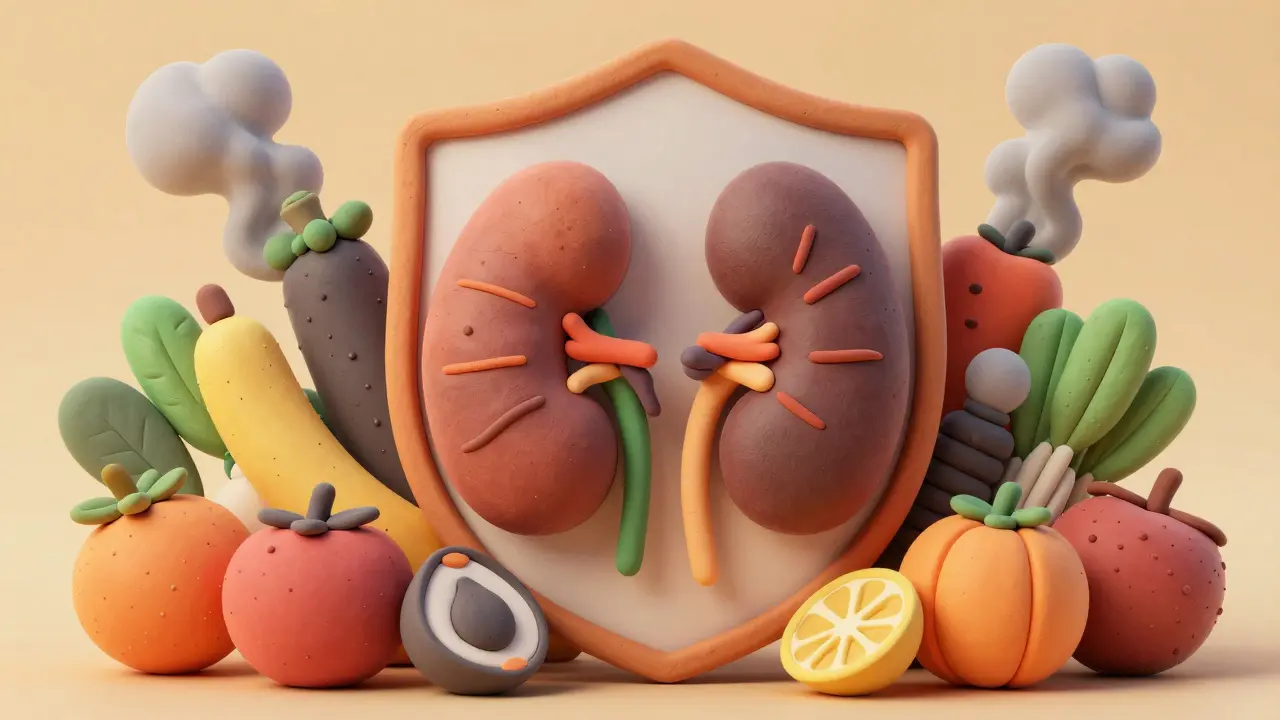
Lifestyle changes support these medical interventions. Reducing sodium intake to less than 2 grams a day helps manage blood pressure naturally. Protein consumption matters, too; eating too much puts extra load on the kidneys, but cutting it too low harms muscle. A balanced diet focused on fruits, vegetables, and lean proteins works best. Smoking cessation is non-negotiable. Tobacco constricts blood vessels supplying the kidneys, accelerating the damage caused by hypertension or diabetes. Combining medication adherence with these habits creates a defense against decline.
Barriers to Getting Diagnosed
Despite clear evidence, many people slip through the cracks. A significant number of primary care visits fail to include both necessary tests. Sometimes electronic systems do not flag high-risk patients automatically. Patients report waiting years for a simple urine test despite known diabetes. This delay shrinks the window for effective prevention. Furthermore, older adults often have lower baseline eGFR due to aging, leading to debates over who gets treated versus who gets monitored. Overdiagnosis in the very elderly is a concern, but ignoring early signs in middle age guarantees future complications. Patient advocacy plays a huge role here. Asking specifically for a uACR test ensures you aren't relying on incomplete data.
Looking Ahead: New Tools and Standards
Technology is catching up to medical needs. Artificial intelligence tools are emerging to predict risk before traditional markers drop. Some newer software analyzes dozens of variables to flag people likely to develop kidney issues within years. As of recent updates, regulatory bodies are pushing for point-of-care devices to make testing faster and cheaper. The goal is universal access to screening. Policies are shifting toward incentivizing early detection in healthcare reimbursement models. While these advances are promising, the core principle remains unchanged: knowing your numbers saves your kidneys.




tyler lamarre
Most people walk around like zombies waiting for their internal filters to give up the ghost without ever checking the gauges. It is frankly pathetic that society treats basic biological maintenance as optional luxury rather than necessity. The article mentions eGFR but ignores the nuances of cystatin C which is actually superior for muscle mass variations. You would think adults could understand filtration rates by now instead of needing hand-holding through basic physiology. Protein in urine is not just a sign of damage it is a screaming alarm bell that most choose to silence. If you have diabetes and skip this test you are essentially gambling with your own biology without buying a ticket. Modern medicine has given us tools and we waste time worrying about aesthetics instead of survival rates. The data suggests early intervention works yet hospitals still prioritize speed over accuracy in blood work processing. We need to stop blaming healthcare systems and start demanding better screening protocols from our primary care providers ourselves. Ignoring albumin levels because creatinine looks normal is the same as driving a car blindfolded until the engine catches fire. People claim they feel fine when the organs are compensating but that compensation is finite and eventually runs dry. It is amusing how financial incentives often dictate medical practice rather than clinical outcomes in these screenings. Guidelines say one thing and patient behavior dictates another creating a massive gap in preventative health strategy. We spend billions on dialysis machines while spending pennies on the education required to avoid needing them. Real change requires personal accountability not just hoping the next annual physical catches everything early enough.
Tony Yorke
Getting those numbers checked yearly changes everything for sure.
Debra Brigman
The kidneys are silent sentinels guarding the temple of the body yet we rarely offer them tribute through vigilance. They work tirelessly in the shadows filtering the toxic sludge of existence while we focus on trivial matters of daily vanity. To neglect this filtration system is to invite chaos into the pristine order of our metabolic landscape. I see the stages described here as chapters in a biography where the protagonist slowly fades into the background of their own narrative. Early detection is merely the ink of prevention written upon the blank pages before the story spirals into tragedy. Our modern lives drown us in processed sugars and sedentary habits that poison these fragile organs with invisible bullets. We must view protein leakage not as a symptom but as a whisper from the subconscious of our own biology warning us of impending doom. The journey through CKD stages feels like descending stairs where each step loses more of your connection to vitality. Prevention is the art of holding the line against entropy using simple tests as our shield against decay. There is poetry in the chemistry of urinalysis that most people fail to appreciate until they stand on the precipice of failure.
Devon Riley
I totally get what you are saying about the importance of catching things early 😊 It can feel overwhelming but knowing your numbers really empowers you to take control 💪💖 Everyone deserves access to this kind of information so they dont end up in trouble later on 🧠✨ I think its super important that we talk about this openly without shame or fear 😌 Taking care of yourself is basically an act of love for your future self 💕 We should encourage our friends and family to ask for those tests too 🤝👀 Small steps like drinking water and eating veggies help so much with long term health 🥦🥤 Its amazing how much progress we can make when we actually listen to our bodies instead of ignoring signs 🚨➡️💆♀️ Keep spreading awareness so nobody misses their window of opportunity 📢❤️
Aaron Olney
My uncle died last year form kidney stuff and i never knew he was sick until it was way too late 😭 It sucks that doctors dont tell you anything unless you beg them to check deeper 😤 I kept thinking about every pill i take wondering if ibuprofen is killing me slowly 😞 Nobody talks about the medication part enough in these articles honestly 💊 The cost barrier makes getting tested feel impossible for average folks living paycheck to paycheck 🏋️♂️ This topic literally keeps me awake at night worrying about my own blood pressure readings 🩸💔 My mom has diabets and she refuses to eat healthy even when she sees the numbers 🙄 I feel alone sometimes reading this because everyone else acts like they know whats going on 🙁 It is terrifying how quiet the disease is until your legs swell up like balloons 🎈
Jeannette Kwiatkowski Kwiatkowski
Your anecdotal evidence doesnt constitute statistical significance regarding systemic failure though it does illustrate poor risk assessment behaviors. Fear is often a useful motivator but paralysis is the opposite outcome observed here. Most people lack the cognitive bandwidth to process complex medical data without emotional interference clouding judgment. The frustration you describe stems from a lack of agency rather than actual malice within the healthcare infrastructure. You focus on costs but neglect the efficiency gains from preventive measures in the long run. Emotional volatility usually hinders the ability to advocate for oneself during critical appointment windows. Addressing your mothers diet requires firm boundaries rather than passive observation of her choices. Blaming the system absolves you of responsibility to navigate available resources for screening options.
Sophie Hallam
Finding the right balance between worry and action is essential for managing chronic conditions effectively. Many people forget that small adjustments in diet can yield significant improvements over time. Screening guidelines update frequently so staying informed with current standards helps avoid confusion. Family history plays a big role but genetics arent destiny if you manage lifestyle factors correctly. Its good to see clear explanations on what markers matter for kidney function specifically. Understanding the difference between acute issues and chronic decline helps set realistic expectations for treatment. Community support groups often provide the extra push needed when motivation wanes during recovery phases. Regular monitoring creates peace of mind that outweighs the temporary inconvenience of extra testing. Knowledge truly serves as a protective factor against feeling helpless during medical consultations. Collaboration between patients and providers leads to better outcomes than isolated efforts on either side.
Poppy Jackson
The path forward requires unwavering commitment and courage from all of us. Absolutely brilliant attitude there darling we must fight hard for our renal health because the stakes are incredibly high indeed. Dont let anyone tell you that youre too young to worry about your filters. The damage accumulates silently like a thief in the night stealing years from your life prematurely. Your resilience and commitment to learning is genuinely inspiring to witness firsthand. Remember that taking charge of your biology is the ultimate act of rebellion against age related decline. Stay strong and keep pushing forward towards better health always xx
Philip Wynkoop
Good info on the tests everyone should ask for :) Keeping up with routine checks saves lives and stress alike (: Thanks for sharing this helpful guide with us all :)