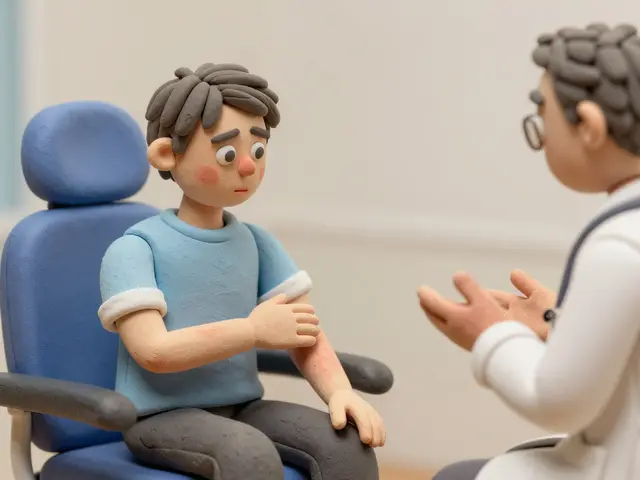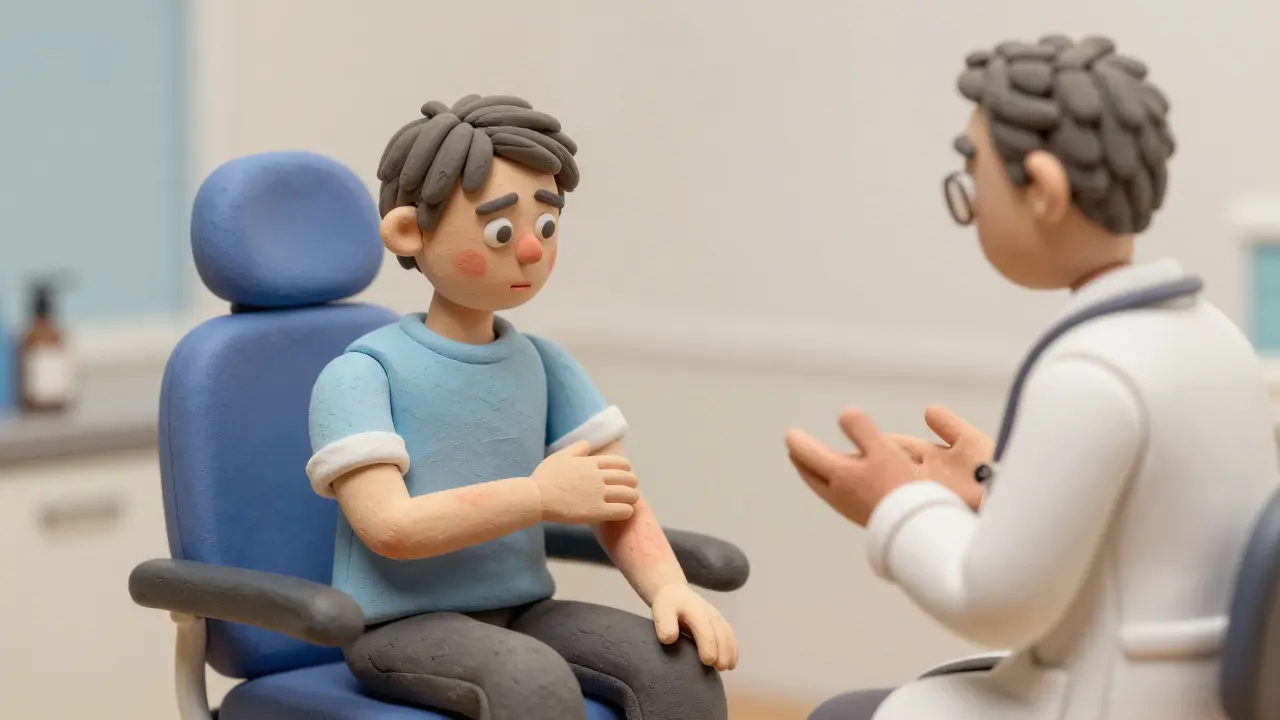
You start a new prescription, and a few days later, you notice something off. Maybe it's a persistent dry mouth, a strange rash, or a level of fatigue that makes it impossible to get through your workday. You mention it to your doctor, and they brush it off with a casual "that happens sometimes." But does that actually solve the problem? Most people assume that if they tell their doctor, the information automatically goes into a grand database to protect others. In reality, a staggering number of side effects never make it to the regulators, leaving a gap in our knowledge about drug safety.
Speaking up about medication side effects isn't just about getting your own symptoms managed; it's a critical part of a process called Pharmacovigilance, which is the science and activities relating to the detection, assessment, understanding, and prevention of adverse effects. While clinical trials are essential, they usually only involve a few thousand people. Once a drug hits the market and millions use it, rare or delayed reactions emerge that no trial could ever predict. Your voice is the early warning system that keeps other patients safe.
Knowing When to Speak Up
Not every tweak in your body is a cause for alarm, but you should never ignore a symptom just because you think it's "normal." There is a big difference between a known, mild side effect (like slight nausea when starting a medication) and a serious adverse event. In the medical world, a serious event is defined as anything that results in death, is life-threatening, causes permanent disability, or requires immediate hospitalization to prevent permanent impairment.
However, you don't need to be in a crisis to report. Unexpected reactions-those not listed on your medication's pamphlet-are incredibly valuable to researchers. For instance, the identification of "Paxlovid mouth" (a change in taste) only became clear because patients and providers reported it to the VAERS, which is the Vaccine Adverse Event Reporting System. If you feel something is wrong, document it immediately. Note the date, the dose you took, and exactly how you felt. This concrete data makes it much harder for a provider to dismiss your concerns.
The Gap Between Your Doctor and the FDA
There is a common misconception that the doctor-patient conversation is the end of the reporting chain. Many patients believe their physician will automatically notify the authorities about every side effect mentioned. Unfortunately, studies show a massive underreporting rate; some estimates suggest only 1% to 10% of serious adverse events are actually reported by healthcare professionals. Even community pharmacists, who see patients more often than doctors, have reported reporting rates as low as 3.2%.
This gap exists because doctors often struggle with "causality." They might not be 100% sure the drug caused the symptom, so they don't report it. But here is the secret: you don't need to prove the drug caused the reaction. The FDA, the U.S. Food and Drug Administration, specifically requests reports even when the connection isn't certain. The goal is to find patterns across thousands of reports, not to solve a single puzzle in one office visit.

How to Report Your Side Effects Directly
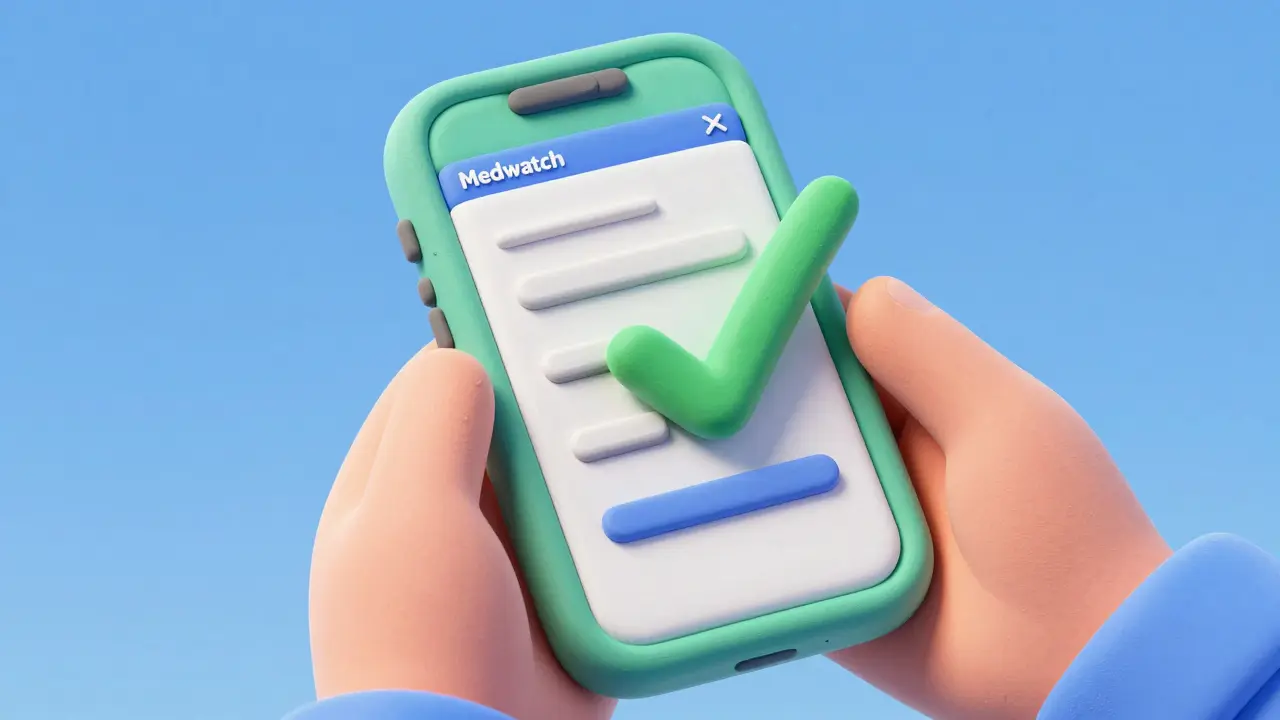
If you feel your concerns aren't being heard, or you simply want to contribute to drug safety, you can bypass the clinic and report directly to the regulators. Since January 2022, all prescription drug labels are required to list a toll-free number for reporting. If you don't see it, you can use the MedWatch, which is the FDA's safety information and adverse event reporting program.
Here is the most effective way to handle a report:
- Call the Hotline: Use the 1-800-FDA-1088 number for a guided reporting process.
- Use the Online Portal: Visit the MedWatch website and fill out Form 3500B. It typically takes about 10 to 15 minutes.
- Provide Specifics: Don't just say "I felt sick." Use phrases like "Developed a hive-like rash on my left arm 4 hours after the second dose."
- Include the Basics: Ensure you have the exact drug name, the dosage, and your contact information ready.
| Method | Best For... | Speed of Action | Directly Impacts Labels? |
|---|---|---|---|
| Doctor Visit | Immediate medical adjustment | Fast (Real-time) | Low (due to underreporting) |
| MedWatch Online | Long-term drug safety data | Medium (Self-paced) | High (Direct to FDA) |
| 1-800-FDA-1088 | People who prefer verbal guidance | Medium (Phone queue) | High (Direct to FDA) |
| VAERS | Vaccine-specific reactions | Fast (Mandatory for some) | Very High |
Overcoming the Fear of Being Dismissed
It is intimidating to tell a specialist that their prescribed treatment is making you feel worse. Many patients fear being told they are imagining things or that the side effect is just a "normal" part of the process. To push past this, change the way you frame the conversation. Instead of asking if a symptom is normal, state the fact and ask for the plan. For example: "I have experienced severe insomnia since starting this medication. Is this a known side effect, and what is our plan to manage it?"
If the provider continues to dismiss you, remember that you are the primary expert on your own body. You have the right to request that the side effect be documented in your medical record. When a provider knows a symptom is officially recorded, they are often more likely to take it seriously or report it through their own institutional channels, such as those used by the Joint Commission to maintain hospital accreditation.
The Future of Drug Safety: AI and Real-World Data
The way we speak up is changing. We are moving away from relying solely on humans remembering to fill out forms. The FDA is currently piloting AI-assisted detection systems that scan electronic health records to find side effects that patients might have mentioned but doctors forgot to report. In early trials, these AI tools found 27% more potential adverse events than traditional methods.
Furthermore, the Sentinel Initiative is working toward integrating data from millions of patient records to flag safety signals automatically. While this sounds like it replaces the need for you to speak up, it actually does the opposite. These AI systems are trained on the data provided by people like you. The more accurate and detailed the initial reports are, the better the AI becomes at protecting future patients.
Do I need to be 100% sure the drug caused the side effect before reporting?
No. You should report any suspected reaction even if you aren't certain. Regulatory bodies like the FDA look for patterns across thousands of users; they do the work of determining if there is a causal link.
What is the difference between a side effect and an adverse event?
A side effect is generally a known, predicted reaction (like drowsiness from an antihistamine). An adverse event is any untoward medical occurrence, regardless of whether it's believed to be caused by the drug, including unexpected or severe reactions.
Will reporting a side effect stop the drug from being available to others?
Not necessarily. Most reports lead to updated warning labels or better dosing guidelines rather than removing the drug from the market, unless the risk far outweighs the benefit for the general population.
How long does it take for a report to make a difference?
It varies. For urgent safety signals, changes can happen in weeks. For rare side effects, it may take several months of data collection before the FDA updates a drug's labeling.
Can I report side effects anonymously?
Yes, you can submit reports to MedWatch without providing your name, although providing contact info helps the FDA if they need more details to validate the signal.
Next Steps for Your Health
If you are currently experiencing side effects, your first move should always be to contact your healthcare provider for immediate medical advice. Do not stop taking a prescription medication without consulting your doctor, as some drugs can cause dangerous withdrawal symptoms if stopped abruptly.
Once your immediate health is stable, take ten minutes to file a report via MedWatch. If you are a caregiver or a family member, you can also report on behalf of a patient. By documenting your experience, you shift from being a passive recipient of care to an active participant in global drug safety.