Medication Drowsiness Risk & Management Tool
The Culprits: Which Medications Cause Sleepiness?
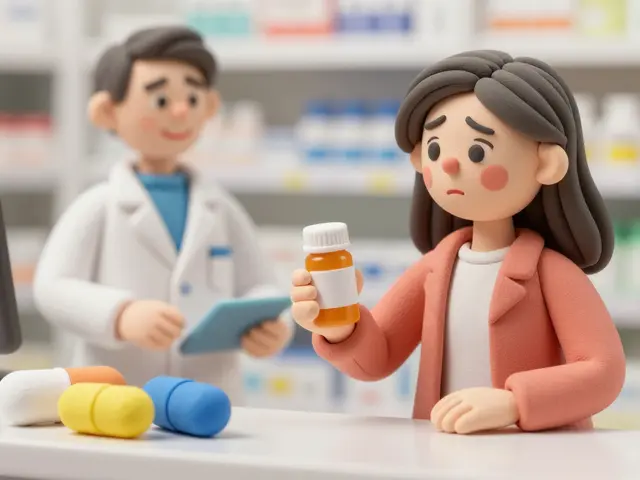
Not all drugs hit the brain the same way. Some are designed to calm you down, while others cause drowsiness as an accidental byproduct of how they work in your body. When a drug acts as a CNS depressant, it slows down brain activity, which is exactly what leads to that "zombie" feeling.
First-generation Antihistamines are the most notorious. If you've taken diphenhydramine (Benadryl) or hydroxyzine (Vistaril) for allergies or anxiety, you've likely felt it. In fact, up to 70% of people using these experience significant drowsiness. This is why many people are switching to second-generation options like loratadine (Claritin) or cetirizine (Zyrtec), which don't cross the blood-brain barrier as easily.
Then there are the heavy hitters used for mental health and pain. Benzodiazepines-including alprazolam (Xanax) and lorazepam (Ativan)-are specifically designed to reduce anxiety by slowing the nervous system. Similarly, Tricyclic Antidepressants like amitriptyline can cause a level of fatigue that lingers well into the next day. For some, this isn't just "feeling tired"; it's a total shutdown of productivity.
| Medication Class | Example Drugs | Estimated Drowsiness Rate | Primary Effect |
|---|---|---|---|
| First-Gen Antihistamines | Diphenhydramine, Hydroxyzine | 50-70% | H1 receptor blockade in the brain |
| Tricyclic Antidepressants | Amitriptyline, Doxepin | 30-40% | Sedation via histamine/muscarinic receptors |
| Benzodiazepines | Alprazolam, Diazepam | High | GABA receptor enhancement |
| Beta-Blockers | Propranolol, Atenolol | 10-15% | Reduced heart rate and BP |
The Real-World Risks of "Just Being Tired"
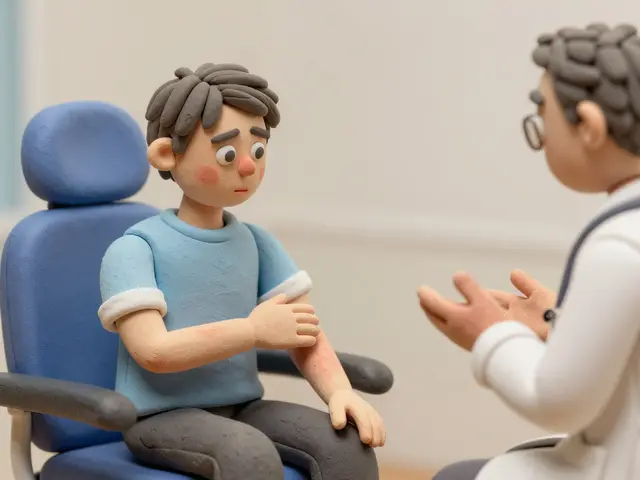
It's easy to brush off a midday nap, but medication-induced sleepiness has serious consequences. The biggest concern is impaired cognition and motor skills. If you're feeling drowsy, your reaction time behind the wheel can be as impaired as if you were legally intoxicated. For older adults, the risk is even more immediate. Drowsiness significantly increases the chance of falls, which, for a senior, can lead to hip fractures and a permanent loss of independence. According to data from JAMA Internal Medicine, these drug-related falls account for 20-30% of all senior falls.
There's also a dangerous interaction known as "additive effects." If you combine two CNS depressants-like taking an opioid for pain and a benzodiazepine for sleep-the result can be life-threatening. This combination can slow your breathing to a dangerous level (respiratory depression). The CDC has highlighted thousands of overdose deaths linked to this specific combination, proving that "mixing meds" is a risk that requires strict medical supervision.

Practical Ways to Manage the Fog
You don't always have to choose between treating your condition and staying awake. There are several ways to mitigate the sleepiness without compromising your health.
1. Shift Your Timing
One of the most effective tricks is simply changing when you take your dose. If a medication makes you drowsy, taking it at bedtime instead of in the morning can reduce daytime sleepiness by 50-70% for most people. This allows the peak sedative effect to happen while you're already asleep.
2. The "Adjustment Period"
Your brain is adaptable. For many medications, the body needs 2-4 weeks to adjust to the chemistry. About 60-70% of patients find that the initial heavy sedation fades over time. If you're in the first two weeks of a new script, hang in there-it might get better on its own.
3. Lifestyle Tweaks
While caffeine is the go-to for many, be careful. Using it after noon can ruin your actual sleep quality, leaving you even more tired the next day. Instead, try 20-30 minutes of light exercise, like a brisk walk. Movement increases blood flow and alertness. Also, keep an eye on your water intake; dehydration can actually magnify the sedative effects of many drugs.
4. Discuss Alternatives
Talk to your doctor about "non-sedating" alternatives. For example, if a beta-blocker like propranolol is causing afternoon crashes, some patients find that switching to a different one, like nebivolol, maintains their blood pressure control without the fatigue.

Warning: The Danger of Quitting Cold Turkey
When you're exhausted, the temptation to just stop taking the pill is huge. Do not do this. Stopping certain medications abruptly can be dangerous. Benzodiazepines, for instance, carry a 30-45% risk of severe withdrawal symptoms if stopped suddenly. Antidepressants can lead to "discontinuation syndrome" or even serotonin syndrome in some cases. Always work with a healthcare provider to taper your dose safely.
Looking Ahead: The Future of Personalized Meds
We're moving toward a world where we won't have to guess if a drug will make us sleepy. Pharmacogenomic testing (like GeneSight) is becoming more common. This involves analyzing your DNA to see how your liver enzymes metabolize specific drugs. By predicting who is more susceptible to sedation, doctors can pick the right drug and dose the first time, potentially reducing adverse events by 35%.
Can I use caffeine to counteract medication drowsiness?
Caffeine can help mask the sleepiness in the short term, but it's a double-edged sword. If consumed late in the day, it interferes with your natural sleep cycle, which can make the drug-induced fatigue feel even worse the next morning. Use it sparingly and early in the day.
How long does it take for the drowsiness to go away?
For many medications, the body adjusts within 2 to 4 weeks. However, some drugs, especially certain tricyclic antidepressants, may cause persistent fatigue that doesn't disappear. If the drowsiness doesn't improve after a month, it's time to talk to your doctor about a dosage change or a different medication.
Is it safe to drink alcohol if my medication makes me sleepy?
No. Alcohol is also a CNS depressant. When combined with medications that cause drowsiness, it amplifies the sedative effect, which can lead to severe impairment, respiratory distress, or accidental overdose. It is strongly recommended to avoid alcohol when taking sedating medications.
What should I do if I feel too sleepy to drive?
Do not get behind the wheel. Medication-induced sleepiness slows your reaction time and impairs judgment. Contact your doctor to see if you can change the time of day you take the medication or switch to a non-sedating alternative.
Why do some people get sleepy while others don't on the same drug?
Genetics play a huge role. Differences in how your liver processes the drug (metabolism) and how your brain receptors respond to the chemical mean that one person might feel a mild buzz while another feels like they need a 12-hour nap.