
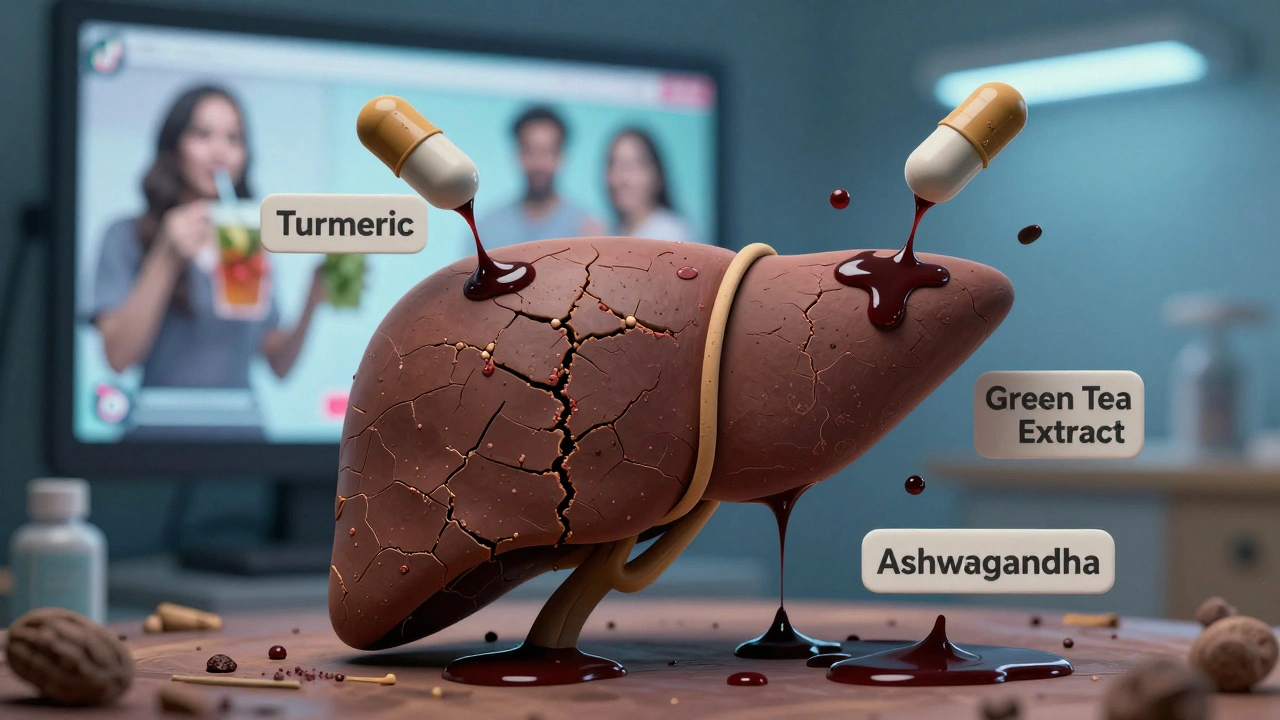
Every year, millions of people in the U.S. and the U.K. take herbal supplements thinking they’re safe because they’re "natural." But what if the very thing you’re taking to feel healthier is quietly damaging your liver? The truth is, herbal and supplement liver toxicity is rising fast-and it’s not just rare cases. It’s happening to people who took a daily turmeric capsule, a green tea extract pill, or a "fat-burning" blend they saw on TikTok. And unlike prescription drugs, these products don’t go through safety testing before they hit the shelf.
What’s Really in Your Supplement?
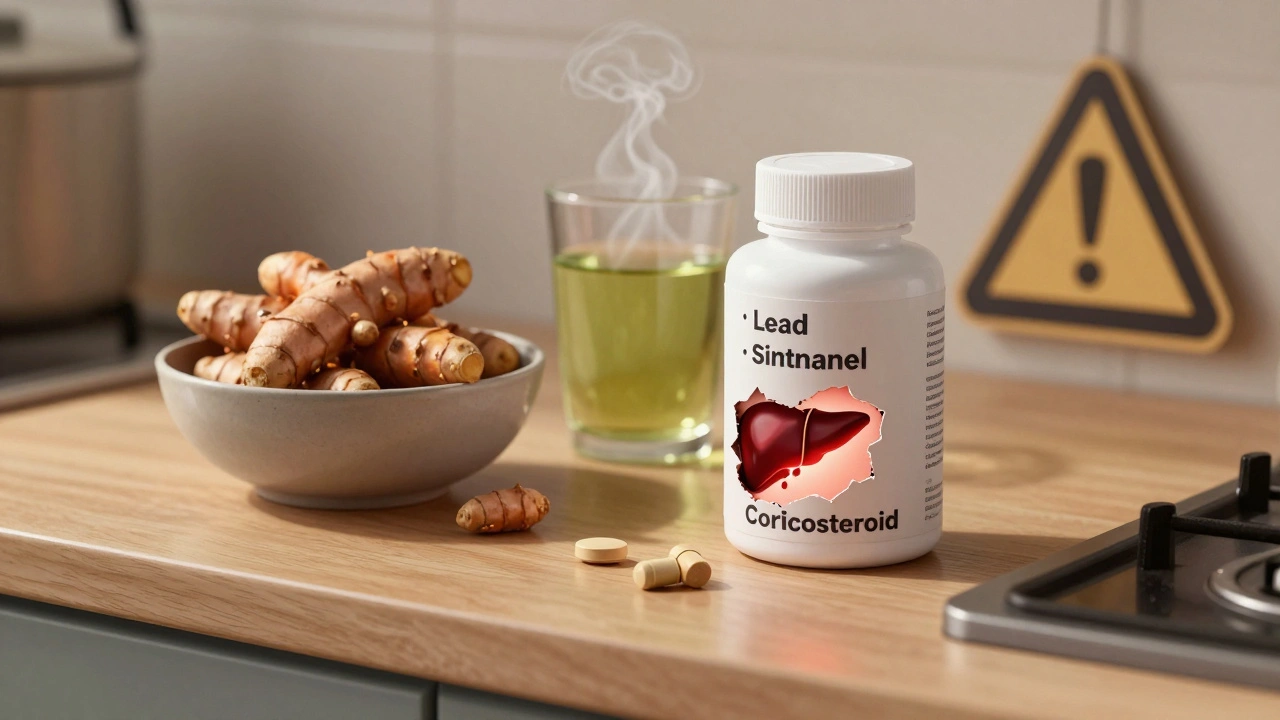
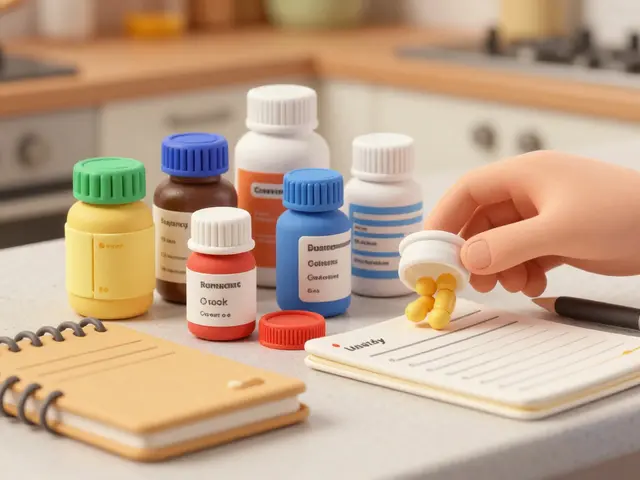
You might think you’re getting pure turmeric or ashwagandha. But that’s not always the case. A 2023 Consumer Reports study found that 30% of turmeric supplements contained lead levels higher than California’s legal warning limit. Another 25% of green tea extract products had more EGCG-the active compound-than safety guidelines recommend. And it’s not just about dosage. Some products are outright contaminated.Lab tests on herbal supplements have turned up everything from heavy metals like lead, mercury, and arsenic, to hidden pharmaceuticals. One in five sexual enhancement supplements contained sildenafil-the active ingredient in Viagra. One in six pain relief products had NSAIDs like ibuprofen. Even "natural" anti-inflammatory pills sometimes included corticosteroids. These aren’t mistakes. They’re intentional. Manufacturers add them because they work fast. But your liver doesn’t know the difference between a drug and a supplement. It treats them the same.
The Six Most Dangerous Supplements
Based on data from the NIH LiverTox database and a major 2024 JAMA Network Open study, six botanicals stand out as the most common causes of liver injury:- Turmeric or curcumin: Often marketed for inflammation and joint pain. But high doses or long-term use can cause severe liver damage. Cases have been documented where people developed hepatitis after taking just one capsule a day for months.
- Green tea extract: Popular for weight loss. The problem? It’s concentrated. A single pill can contain 10 times the EGCG you’d get from drinking tea. That overload stresses the liver, especially on an empty stomach.
- Garcinia cambogia: Sold as a fat burner. Linked to multiple cases of acute liver failure. Some products also contained hidden stimulants that made the damage worse.
- Black cohosh: Used for menopause symptoms. Multiple hospitalizations reported. The liver injury often shows up weeks or months after stopping the supplement.
- Red yeast rice: Marketed as a natural alternative to statins. But it contains monacolin K-the same compound as lovastatin. Without regulation, doses vary wildly. Some pills are harmless. Others pack a full prescription-strength dose.
- Ashwagandha: Hyped as an adaptogen for stress and sleep. Yet, liver enzyme spikes have been reported in people who took it daily for even a few weeks.
These aren’t outliers. They’re the tip of the iceberg. The same 2024 study found that 70% of liver injury cases linked to supplements involved products with one or more of these six ingredients.
How Your Liver Gets Hurt
Your liver is your body’s main detox center. It breaks down everything you take in-food, alcohol, medicine, supplements. When a substance is too strong, too concentrated, or just poorly made, your liver can’t keep up.Some supplements trigger an immune reaction. Your body mistakes the herb for a threat and starts attacking liver cells. Others overwhelm the liver’s metabolic pathways. Still others contain toxins that directly kill liver cells. The result? Inflammation, cell death, and in worst cases, liver failure.
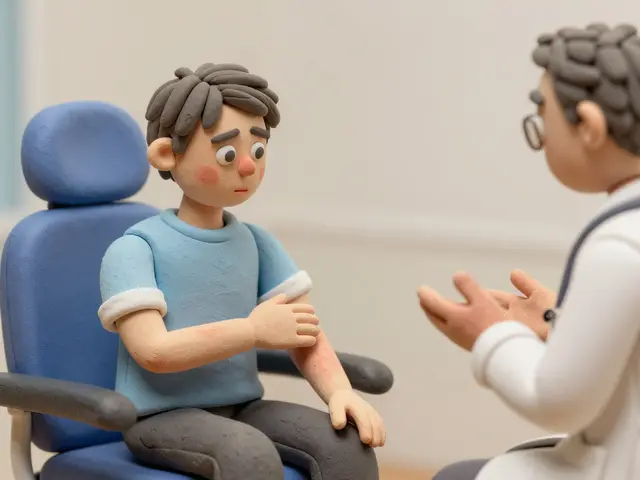
What makes this worse is that symptoms don’t show up right away. Fatigue, nausea, dark urine, and abdominal pain often appear weeks after you started the supplement. Many people blame stress, the flu, or bad sleep. By the time they see a doctor, their liver enzymes are through the roof.
One study found that 87% of people with supplement-induced liver injury had severe fatigue. 76% had abdominal pain. 52% noticed dark urine-classic signs your liver is struggling.
Why Regulation Doesn’t Protect You
In the U.S., the FDA doesn’t require herbal supplements to prove safety or effectiveness before they’re sold. Unlike prescription drugs, they don’t need clinical trials. No one checks if the label matches what’s inside. No one tests for contaminants. The FDA only steps in after someone gets hurt.That’s why a product like OxyELITE Pro®-which caused over 50 cases of liver failure in 2013-was still on shelves for months after the first reports. It wasn’t recalled until the FDA found a banned chemical called aegeline in it. That chemical wasn’t even listed on the label.
In the U.K., the situation isn’t much better. Supplements are regulated as food, not medicine. That means they’re subject to far less scrutiny. A company can sell a bottle of ashwagandha today, and if someone gets sick next month, the regulator might not even investigate unless there’s a pattern.
Who’s at Risk?
You might think only people taking 10 supplements a day are at risk. But that’s not true. Even one daily capsule can be dangerous if your body reacts badly.Some people are genetically more vulnerable. A 2022 study in Hepatology found that people with a specific gene variant-HLA-B*35:01-are more likely to develop liver injury from certain herbs. We don’t test for this. So you won’t know until it’s too late.
Older adults, people with existing liver conditions, and those taking other medications are also at higher risk. But even healthy young people-especially those influenced by social media-are being affected. TikTok is full of influencers pushing "clean" detox teas and fat-burning capsules. Many of these products contain the same six liver-toxic herbs.
Dr. Robert S. Brown from Weill Cornell Medicine compares it to an allergy. "Some people can eat peanuts and be fine. Others go into anaphylaxis from a tiny crumb. It’s the same with liver toxins. For most, a turmeric capsule does nothing. For a small group, it’s enough to cause irreversible damage."
What You Should Do
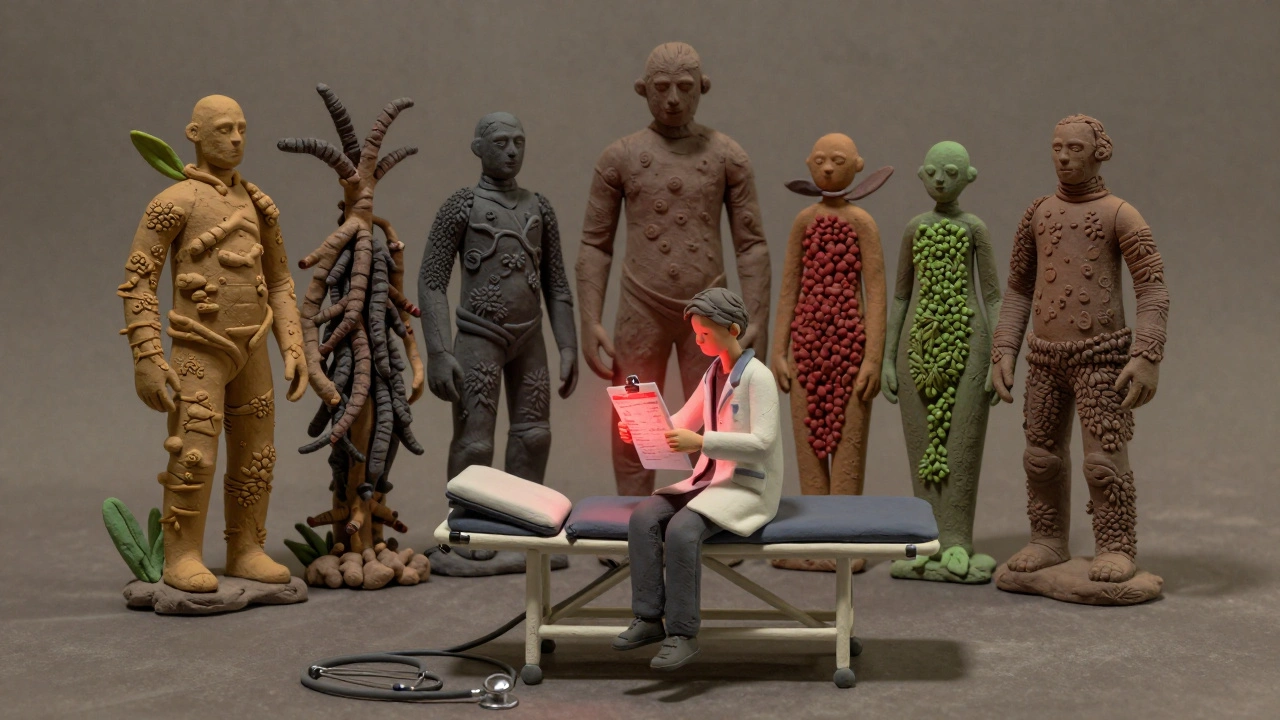
If you’re taking any herbal or dietary supplement, here’s what to do now:- Stop taking the six high-risk supplements-turmeric, green tea extract, Garcinia cambogia, black cohosh, red yeast rice, and ashwagandha-unless your doctor has specifically approved them and is monitoring your liver.
- Check your labels. Look for third-party certifications like USP, NSF, or ConsumerLab. These don’t guarantee safety, but they do test for contaminants and label accuracy.
- Don’t combine supplements. Taking multiple products increases the risk. Even if each one is "safe" alone, together they can overload your liver.
- Get your liver checked. If you’ve been taking supplements for more than a few months, ask your doctor for a simple blood test: ALT and AST levels. These are the first signs of liver stress.
- Talk to your doctor before starting anything. Even if it’s "natural." Tell them everything you’re taking-including teas, powders, and tinctures.
The American College of Gastroenterology now recommends that doctors routinely ask patients about supplement use whenever liver enzymes are elevated. If you’re seeing a doctor for unexplained fatigue or abdominal pain, mention your supplements. It could save your life.
What’s Safer?
Not all supplements are dangerous. Some, like vitamin D or omega-3s, have strong evidence backing their safety and benefit when taken in appropriate doses. But even these should be taken with caution if you have liver disease.The safest approach? Get your nutrients from food. Eat leafy greens for antioxidants. Eat fatty fish for omega-3s. Drink green tea-not extract. Eat turmeric in your curry, not in a capsule. Your liver evolved to handle food, not concentrated, untested powders.
If you’re using supplements for a specific health goal-sleep, stress, joint pain-talk to a registered dietitian or functional medicine practitioner. They can help you find safer, evidence-based alternatives.
Final Warning
The idea that "natural" means "safe" is dangerous. Your liver doesn’t care if something comes from a plant or a lab. It only cares if it can process it. And right now, too many supplements are pushing it past its limit.Don’t wait for symptoms. Don’t assume you’re fine because you haven’t felt sick. Liver damage can happen silently. By the time you feel it, it might already be too late.
If you’re taking any herbal or supplement, stop. Get tested. Talk to your doctor. Your liver can’t speak for itself. But you can speak for it.



Shawna B
I took turmeric for my knees and never thought twice. Now I’m scared to even look at supplements.
Jerry Ray
So natural means dangerous now? Next they’ll say sunlight causes cancer because of UV rays. Wake up people, this is just fearmongering dressed up as science.
vanessa parapar
Oh honey, you’re not wrong-but you’re also not seeing the whole picture. I’ve been a holistic health coach for 12 years and I’ve seen way too many people ruin their livers with ‘clean’ detox teas from Instagram influencers. The problem isn’t the herbs-it’s the concentration, the lack of labeling, and the fact that people think popping pills is a shortcut to wellness. You wouldn’t drink pure caffeine powder, so why take 500mg of green tea extract? Your body isn’t a lab rat. It evolved eating food, not powdered chemistry experiments. And yeah, some people are genetically more vulnerable. That’s why I tell my clients: if you don’t need it, don’t take it. If you do, get third-party tested. USP or NSF. No excuses. And for god’s sake, stop mixing five different supplements like they’re trail mix. Your liver doesn’t care if it’s ‘natural’-it just cares if it can handle the load. And right now, most of these products are just gambling with your organs.
David Ross
This is why America is collapsing-people believe everything they read on the internet. We used to trust doctors. Now we trust TikTok influencers selling ‘miracle’ fat-burners. And now we’re blaming the government for not banning everything? Wake up. It’s personal responsibility. If you’re dumb enough to swallow a pill labeled ‘natural’ without checking the ingredients, you deserve what you get. No one’s forcing you to take it. Stop whining and take ownership.
Abhi Yadav
Life is a balance of energy... the liver is the temple of detox... when we force nature into pills, we break the flow... 🙏
Krys Freeman
Another anti-supplement rant. People are dying from sugar, processed food, and sitting on their butts. But hey, let’s panic about turmeric.
AARON HERNANDEZ ZAVALA
I appreciate this post a lot. I’ve been taking red yeast rice for cholesterol and never realized it’s basically a statin. I’m getting my liver checked this week. Thanks for the clarity. No judgment, just gratitude.
Lyn James
It’s not just about liver damage-it’s about the moral decay of our culture. We’ve replaced wisdom with convenience, patience with instant results, and nature with synthetic shortcuts. People don’t want to eat real food, they don’t want to move their bodies, they don’t want to sit with discomfort-so they swallow a pill and call it healing. This isn’t science. It’s spiritual laziness disguised as wellness. And now we’re shocked when the body rebels? Of course it does. You can’t outsource your health to a bottle bought on Amazon. The ancients didn’t need supplements. They ate seasonal food, moved daily, slept with the sun, and respected the rhythms of life. We’ve forgotten that. And now our livers are paying the price-not because of turmeric, but because we’ve lost our way.
Craig Ballantyne
While the data on hepatotoxicity from botanicals is compelling, the regulatory framework remains fundamentally misaligned. The DSHEA framework in the U.S. categorizes these as dietary supplements, thereby exempting them from pre-market efficacy and safety trials. This creates a significant information asymmetry between consumer and manufacturer. The absence of standardized dosing, batch consistency, and contaminant screening renders risk stratification nearly impossible. In contrast, the U.K.’s FSA treats them as food, which is even less rigorous. Until we establish a tiered classification system-similar to pharmacovigilance for pharmaceuticals-we’re merely treating symptoms, not the structural failure.
Victor T. Johnson
Love this post 🙌 I’ve been telling my friends for years: if it’s in a pill and promises to fix everything, it’s probably not for you. I switched to turmeric in curry, green tea as a drink, and my energy is way better. No weird side effects. Just real food. 🌿
Nicholas Swiontek
Thank you for sharing this. I started taking ashwagandha for stress and felt great at first-but then I got super tired and my stomach hurt. I stopped it and didn’t connect the dots until now. I’m booking a liver panel tomorrow. You just might’ve saved my health.
Robert Asel
The statistical correlation between supplement ingestion and elevated liver enzymes is not causation. The sample sizes in the cited studies are often anecdotal. Furthermore, the NIH LiverTox database is self-reported and subject to significant recall bias. Until peer-reviewed, longitudinal, controlled trials are conducted, these claims remain speculative at best. Do not confuse alarmism with evidence.
Ben Wood
So… you’re saying that if I take a supplement that says ‘all natural’… it might have illegal drugs in it?? Like… what the actual f***? Who even does this?? And why is this legal?? I’m not even mad-I’m just disappointed in humanity.
Sakthi s
Good info. I take omega-3 and vitamin D. No pills for ‘magic fixes’. Real food, real rest. Simple.