
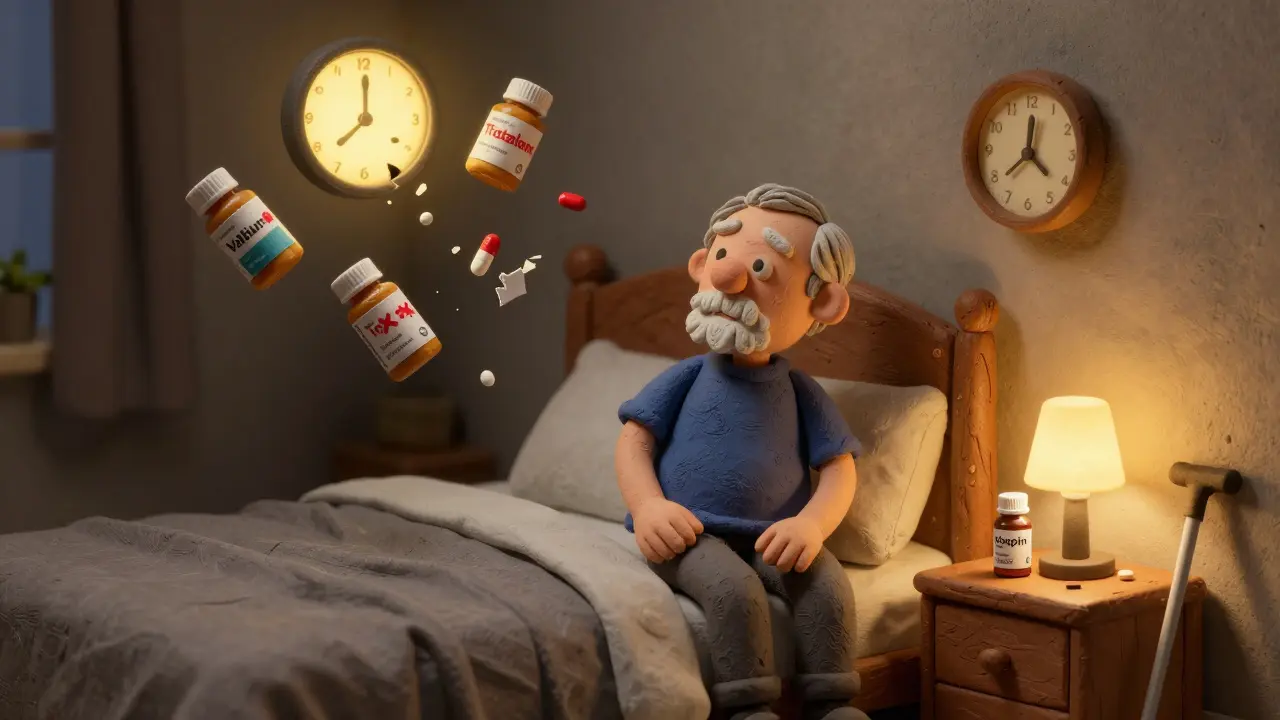
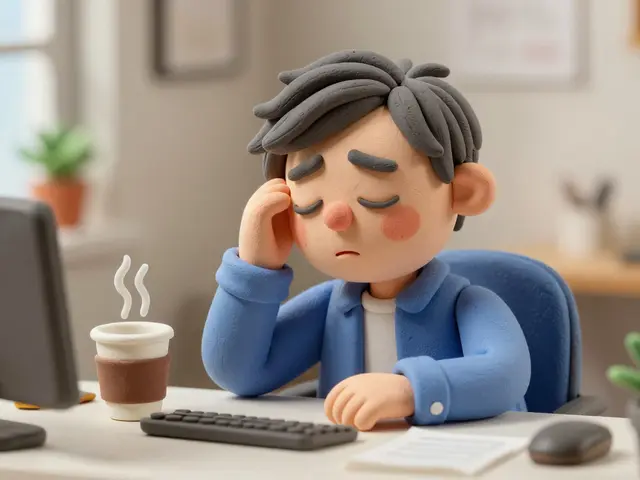
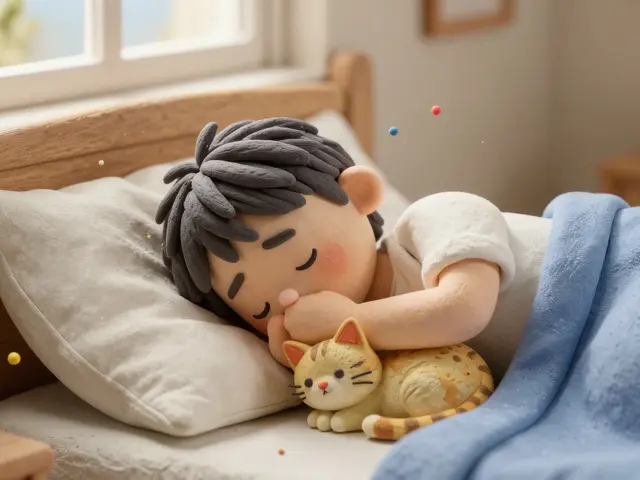
Over half of adults over 65 struggle with sleep. It’s not just about tossing and turning - it’s about waking up exhausted, forgetting names, stumbling in the hallway, or feeling like the day starts before the night ends. For many, the first answer they hear is a pill. But in older adults, the risks of common sleep meds can be worse than the insomnia itself.
Why Older Adults Need Different Sleep Medicines
As we age, our bodies change. The liver and kidneys don’t process drugs the same way. Medications stick around longer. Even small doses can build up. That’s why a pill that works fine for a 40-year-old might leave a 75-year-old groggy, unsteady, or confused the next day.Insomnia in older adults isn’t just trouble falling asleep. It’s waking up at 3 a.m. and not being able to get back to sleep. It’s sleeping only four hours a night, three or more nights a week, for months - and feeling it in every step, every thought, every mood.
Studies show 30% to 48% of people over 65 have this kind of chronic insomnia. And it’s not harmless. Poor sleep increases the risk of falls, memory loss, depression, and even disability. A 2025 study found that each extra insomnia symptom raised disability risk by 15%. Using sleep meds? That raised it by 27%.
The Old Way - And Why It’s Dangerous
For decades, doctors reached for benzodiazepines like diazepam or triazolam. Or the so-called "z-drugs" - zolpidem (Ambien), eszopiclone (Lunesta), zaleplon (Sonata). These were seen as safer than older sedatives. But they’re not.The American Geriatrics Society flagged them back in 2012 - and doubled down in 2019. These drugs increase the risk of falls by 50%. Hip fractures go up. Confusion gets worse. Memory problems stick around. And worse - they’re addictive. People don’t always realize they’re dependent until they try to stop.
One study found benzodiazepines raised the chance of any side effect by 80% compared to placebo. Triazolam? It nearly doubled the risk of bad reactions. And yet, in 2023, over 7 million older Americans on Medicare were still getting these prescriptions. That’s nearly half of all insomnia prescriptions.
The Safer Options - What Actually Works
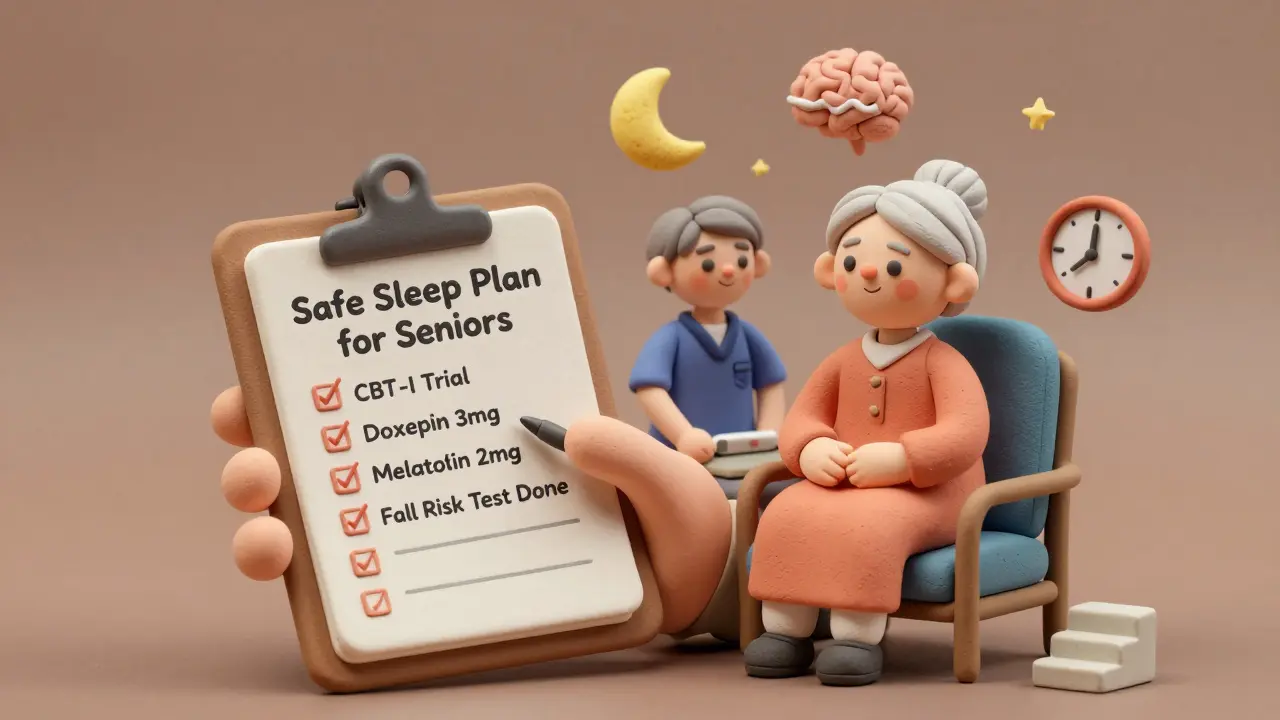
There are better choices. Not because they’re flashy or new, but because they’re gentle. They don’t slam the brakes on your brain. They don’t leave you stumbling.Low-dose doxepin (3-6 mg) is one of the most underrated options. It’s the same drug used for depression - but at 1/25th the dose. At this level, it doesn’t affect mood. It blocks histamine receptors that keep you awake. It’s FDA-approved specifically for sleep maintenance in older adults. In clinical trials, it improved sleep efficiency more than any other medication. Real users report 5 extra hours of solid sleep - without the morning fog. And it costs about $15 a month.
Ramelteon (8 mg) works differently. It mimics melatonin, the body’s natural sleep signal. It helps you fall asleep faster, but doesn’t keep you asleep. That makes it safer. No next-day drowsiness. No risk of dependence. Studies show it adds about 10 minutes to sleep onset - small, but meaningful. One doctor called it "a valuable first-line option" because the side effects are almost invisible.
Lemborexant (5-10 mg) is newer. It blocks orexin, the brain’s wakefulness signal. It’s not a sedative - it’s a sleep regulator. In trials with adults over 65, it cut the time to fall asleep by 15 minutes, reduced nighttime wake-ups by over 20 minutes, and added nearly 43 minutes of total sleep. Users say it feels "natural" - no hangover, no grogginess. The catch? It costs $750 a month without insurance. Most Medicare plans require prior authorization.
Controlled-release melatonin (2 mg) is another low-risk option. It’s not a drug - it’s a supplement. But at this dose and formulation, it’s shown to help older adults fall asleep faster and sleep more continuously. It’s cheap, widely available, and has almost no side effects.
What Doesn’t Work - And Why
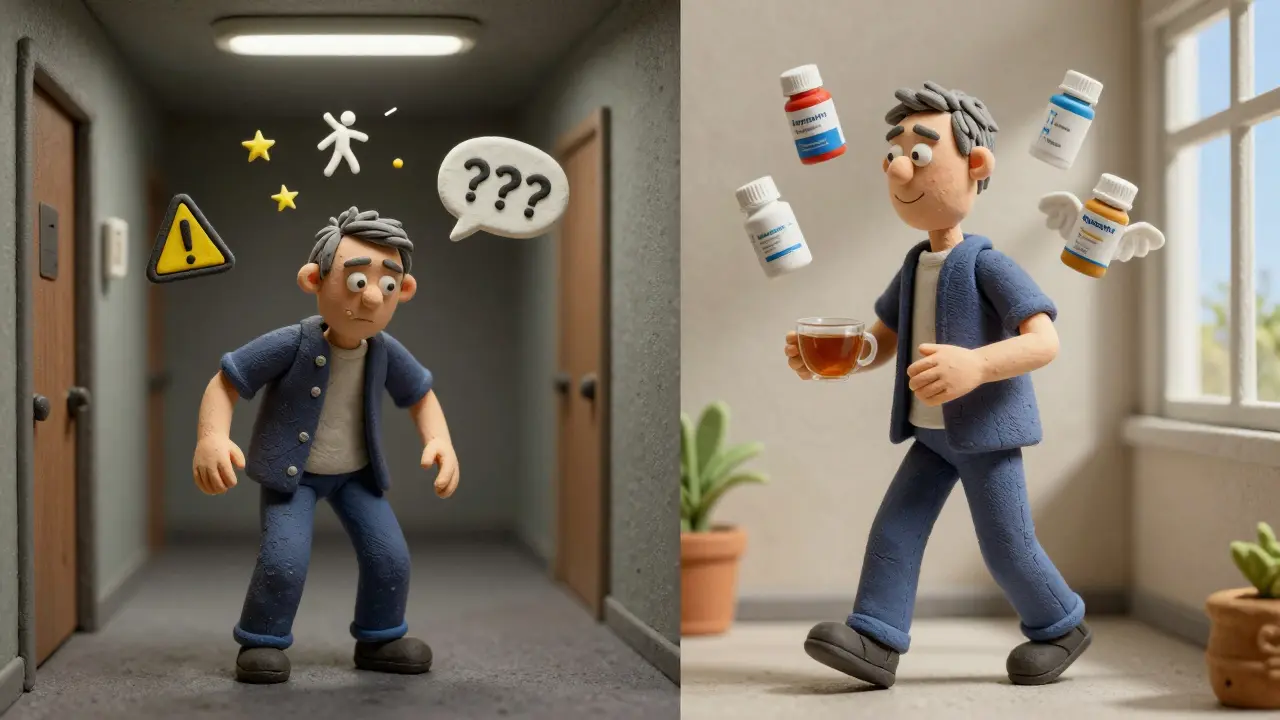
Don’t assume newer means better. Some medications marketed as "safe for seniors" still carry hidden dangers.Zolpidem (Ambien) might help you fall asleep - but 34% of older users report next-day drowsiness. 8% have experienced sleepwalking, eating, or even driving while not fully awake. These aren’t rare. They’re common enough to be listed in the FDA’s boxed warning.
Temazepam? It reduces nighttime wake-ups better than most - but it increases fall risk. It’s still prescribed often, even though the American Academy of Sleep Medicine says it shouldn’t be first-line.
And don’t forget the combo danger. Taking a sleep med with alcohol, painkillers, or even some blood pressure drugs? That raises fall risk by 70%. Many older adults are on five or more medications. One pill might seem harmless. Together, they’re a recipe for disaster.
What Doctors Should Do - And What You Should Ask
The best treatment for insomnia in older adults isn’t a pill. It’s Cognitive Behavioral Therapy for Insomnia (CBT-I). It’s proven to work better than medication long-term. It teaches you how to reset your sleep rhythm, calm your mind, and break the cycle of anxiety around sleep.But CBT-I isn’t always available. Insurance doesn’t always cover it. And many doctors don’t know how to refer patients.
If you’re being offered a sleep med, ask:
- "Is this the safest option for someone my age?"
- "What are the risks of falling or memory problems?"
- "Has this been tested in people over 65?"
- "Can we try a non-drug approach first?"
- "What’s the plan if this doesn’t work - or if it causes side effects?"
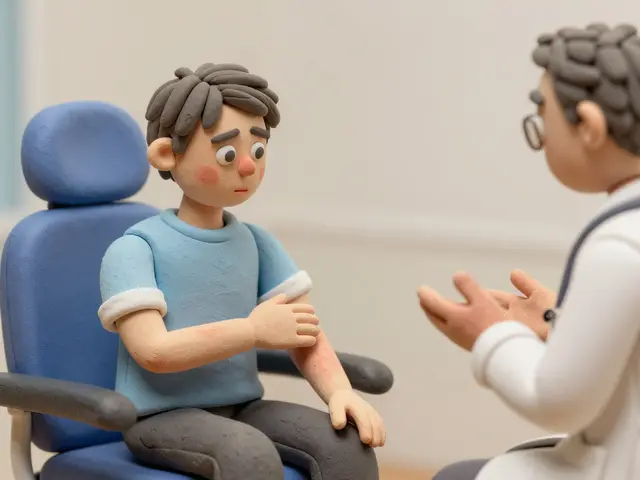
Doctors should check your fall risk with a simple test (Timed Up and Go), review your other meds, and test liver and kidney function before prescribing anything. A 2022 study found 68% of inappropriate prescriptions happened because no sleep assessment was done first.
Real Stories - What People Are Saying
On Reddit, a 68-year-old wrote: "Doxepin 3mg gave me 5 extra hours of solid sleep without the hangover I got from Ambien - wish my doctor had tried this first." On Amazon, someone reviewed lemborexant: "No morning grogginess. Finally, I wake up feeling like I slept. But I can’t afford it every month." A 72-year-old on PatientsLikeMe said: "I switched from zolpidem to lemborexant. First two weeks, I was dizzy. Then it faded. Now I’m sleeping like I did in my 40s." The pattern is clear: people want sleep without the side effects. They want to wake up sharp, not shaky.The Bottom Line
You don’t need a strong drug to sleep better. You need the right one.For most older adults, the safest first choices are:
- Low-dose doxepin (3-6 mg) - best for staying asleep
- Ramelteon (8 mg) - best for falling asleep
- Controlled-release melatonin (2 mg) - safest, cheapest, gentlest
Lemborexant is effective - but expensive. Use it only if cheaper options fail and you can afford it.
And always, always - try CBT-I first. Even if it’s online. Even if it’s a book. Even if it’s just 10 minutes a day. Sleep is too important to risk with a pill that might hurt you more than help.
The goal isn’t to sleep 8 hours. It’s to wake up safe, clear-headed, and ready for the day - without fear of falling, forgetting, or fading away.
Are benzodiazepines still prescribed for insomnia in older adults?
Yes, but they shouldn’t be. Despite clear guidelines from the American Geriatrics Society since 2012 warning against their use, over 7 million older adults in the U.S. still receive benzodiazepines for insomnia in 2023. These drugs increase fall risk by 50% and raise the chance of confusion and memory loss. They’re addictive and should only be used as a last resort, if at all.
Is doxepin safe for seniors to use long-term?
Yes, at low doses (3-6 mg), doxepin is considered safe for long-term use in older adults. Unlike benzodiazepines or z-drugs, it doesn’t cause dependence, cognitive decline, or motor impairment at these levels. It’s FDA-approved specifically for sleep maintenance insomnia in seniors and has been shown to improve sleep quality without next-day grogginess. Always start with the lowest dose and monitor for dizziness.
What’s the best non-drug treatment for insomnia in older adults?
Cognitive Behavioral Therapy for Insomnia (CBT-I) is the most effective non-drug treatment. It helps retrain the brain’s sleep patterns, reduces anxiety around sleep, and improves sleep efficiency without side effects. Studies show it works better than medication over time. Online programs, books, or in-person sessions with a sleep therapist can all be effective. It’s the first-line recommendation from the American Academy of Sleep Medicine.
Can melatonin help older adults sleep better?
Yes, but only if it’s controlled-release and taken at the right dose. Regular melatonin supplements often don’t work well for older adults because their bodies produce less naturally. Controlled-release melatonin (2 mg) taken 1-2 hours before bed helps regulate the sleep-wake cycle and improves sleep onset and continuity. It has almost no side effects and is safe for long-term use.
Why are newer sleep meds like lemborexant so expensive?
Lemborexant is a newer, patented medication with no generic version available. It costs around $750 per month without insurance. Most Medicare Part D plans require prior authorization and may only cover it after cheaper options fail. While it’s effective and safer than older drugs, its high cost limits access. Many seniors choose low-dose doxepin or melatonin instead because they’re affordable and just as safe.
What should I do if my doctor keeps prescribing Ambien or Valium?
Ask for a sleep assessment and request alternatives. Bring up the American Geriatrics Society’s Beers Criteria, which advises against these drugs in older adults. Request a trial of CBT-I, low-dose doxepin, or melatonin. If your doctor refuses, ask for a referral to a sleep specialist. You have the right to safer care - and there are better options that won’t put you at risk for falls or memory loss.


sagar patel
Low-dose doxepin is the only thing that worked for my dad. Ambien made him walk into walls. Doxepin? He slept like a baby. No fog. No falls. Just quiet rest. Why isn’t this the first prescription every time?
Michael Dillon
Let’s be real - CBT-I is great in theory but useless if you’re 70 and your brain is stuck in panic mode at 3 a.m. No amount of sleep hygiene fixes a body that forgot how to shut off. Medication isn’t weakness - it’s damage control. And yes, some of these drugs are risky - but so is sleep deprivation. We’re not debating philosophy here. We’re debating survival.
Gary Hartung
Oh, wonderful. Another article that treats older adults like fragile porcelain dolls who can’t handle a single pharmacological intervention. Do you know how many people have lived perfectly fine on zolpidem for 15 years? Do you know how many doctors have been trained to think in terms of ‘risk’ rather than ‘outcome’? This isn’t medicine - it’s fear-based marketing disguised as guidelines. And now we’re supposed to believe that melatonin is the answer? Please.
Ben Harris
People are dying from insomnia not from meds. You think a 75-year-old who hasn’t slept through the night in 3 years is going to care about a 27% increased risk of disability when they’re already tired all the time? This is what happens when people who’ve never held a 70-year-old hand at 4 a.m. write medical advice. The real danger is pretending there’s one right answer. There isn’t. There’s only what works for the person who’s suffering.
Terry Free
Let’s cut the crap. Benzodiazepines are dangerous. But so is prescribing a $750 pill to someone on a fixed income. The system is broken. Doctors are overworked. Patients are scared. And instead of fixing access to CBT-I, we’re just swapping one pill for another. Doxepin is cheap. Melatonin is cheaper. But no one gets paid for that. So we get lemborexant. And that’s not medicine. That’s capitalism.
Sophie Stallkind
Thank you for this meticulously researched and compassionate overview. The emphasis on non-pharmacological interventions, particularly CBT-I, aligns with the most current clinical evidence. It is imperative that primary care providers receive adequate training and reimbursement to facilitate referrals to sleep specialists. Furthermore, insurance reform must prioritize accessibility to evidence-based, non-pharmacological treatments before subsidizing high-cost pharmaceuticals. The dignity and safety of elderly patients must remain paramount.
Katherine Blumhardt
I tried doxepin. It worked. But my pharmacist said it’s not ‘approved’ for sleep so my insurance denied it. So I had to pay $120 out of pocket. That’s insane. I’m 69. I don’t have $120 to waste on a pill that should be covered. And now I’m back on Ambien because I can’t fight the system. This isn’t healthcare. It’s a business.
Zabihullah Saleh
There’s a deeper truth here. Sleep isn’t just a biological function - it’s a spiritual one. In cultures where elders are honored, they’re not medicated into silence. They’re held. They’re listened to. Their insomnia isn’t a problem to fix - it’s a signal. Maybe we’ve lost something in our rush to chemically quiet the night. Maybe the real cure is community. Maybe the real danger isn’t the pill - it’s the loneliness that keeps them awake.
Lindsay Hensel
My mother was prescribed triazolam after a minor fall. She didn’t tell us until she started sleepwalking into the kitchen at 2 a.m. We switched her to doxepin. Three weeks later, she was baking again. She said, ‘I finally feel like myself.’ This isn’t about drugs. It’s about returning dignity. And it’s possible.
Jason Jasper
I’ve been on ramelteon for a year. It doesn’t knock me out. It just lets me fall asleep. No grogginess. No nightmares. No weird dreams where I’m driving. It’s quiet. It’s gentle. I don’t know why more doctors don’t recommend it. It’s not flashy. But it works. And that’s enough.
Mussin Machhour
My wife’s 71. We tried everything. CBT-I? Too hard. Melatonin? Nope. Doxepin? YES. She sleeps 7 hours. Wakes up sharp. No more fear of falling. I’m so glad we found this. If you’re reading this and your parent is on Ambien - please, talk to their doctor. It’s not too late.
Winni Victor
Wow. So now we’re all supposed to be woke about sleep? Next they’ll tell us to hug our pillows and whisper affirmations. Meanwhile, my uncle’s still on Lunesta because he’s too tired to care. And honestly? I don’t blame him. If you’re 78 and your brain’s been screaming for 10 years - sometimes you just want the noise to stop. Even if it’s chemical. Even if it’s risky. Even if it’s wrong. You’re still human.