

Understanding Migraines and Treatment Options
Migraines aren't just bad headaches-they're a neurological disorder affecting over 1 billion people worldwide. That's more than diabetes, epilepsy, and asthma combined. The American Migraine Foundation calls them the third most prevalent illness globally, with women three times more likely to be affected than men. Understanding migraine medications is key to managing this condition.
When you have a migraine, you're not just dealing with head pain. It often comes with nausea, sensitivity to light and sound, and sometimes visual disturbances called auras. These attacks can last hours or even days, leaving you unable to work or care for your family. Managing migraines usually means using two types of medications: abortive and preventive. Abortive meds stop attacks once they start. Preventive meds reduce how often they happen. Choosing the right treatment depends on your specific symptoms and how often you get migraines.
Abortive Medications: Stopping Attacks in Their Tracks
Abortive medications are your first line of defense when a migraine hits. They work best when taken early-ideally within the first hour of headache onset. A 2011 AAFP guideline found that early treatment with almotriptan reduces the chance of headache returning within 24 hours from 30-40% to just 15-25%. This timing matters because migraine pain worsens quickly once it starts.
Over-the-counter NSAIDs like ibuprofen (400mg) or naproxen sodium (550mg) are often the first choice for mild migraines. They block inflammation-causing prostaglandins. According to StatPearls (2023), these drugs show 20-53% pain freedom at 2 hours.
For moderate to severe migraines, triptans like sumatriptan (50-100mg) or rizatriptan (10mg) are more effective. These drugs constrict blood vessels and block pain pathways. A 2022 Neurology meta-analysis found triptans provide 42-76% pain freedom at 2 hours, depending on the specific medication.
Newer options like ubrogepant (Ubrelvy) and rimegepant (Nurtec ODT) target the calcitonin gene-related peptide pathway. A 2021 JAMA meta-analysis showed both significantly improve pain freedom at 2 hours compared to placebo. Rimegepant is especially popular for its fast action-74% of users report relief within 30 minutes on Drugs.com.
The combination of acetaminophen (250mg), aspirin (250mg), and caffeine (65mg) shows consistent efficacy for acute migraines, with multiple trials confirming its effectiveness.
| Medication | Type | Dose | Effectiveness at 2 hours | Key Considerations |
|---|---|---|---|---|
| Ibuprofen | NSAID | 400mg | 20-53% pain freedom | Best for mild migraines; take early |
| Sumatriptan | Triptan | 50-100mg | 42-76% pain freedom | Avoid if you have heart conditions |
| Rimegepant | CGRP antagonist | 75mg | 30-40% pain freedom | Fast-acting; no cardiovascular restrictions |
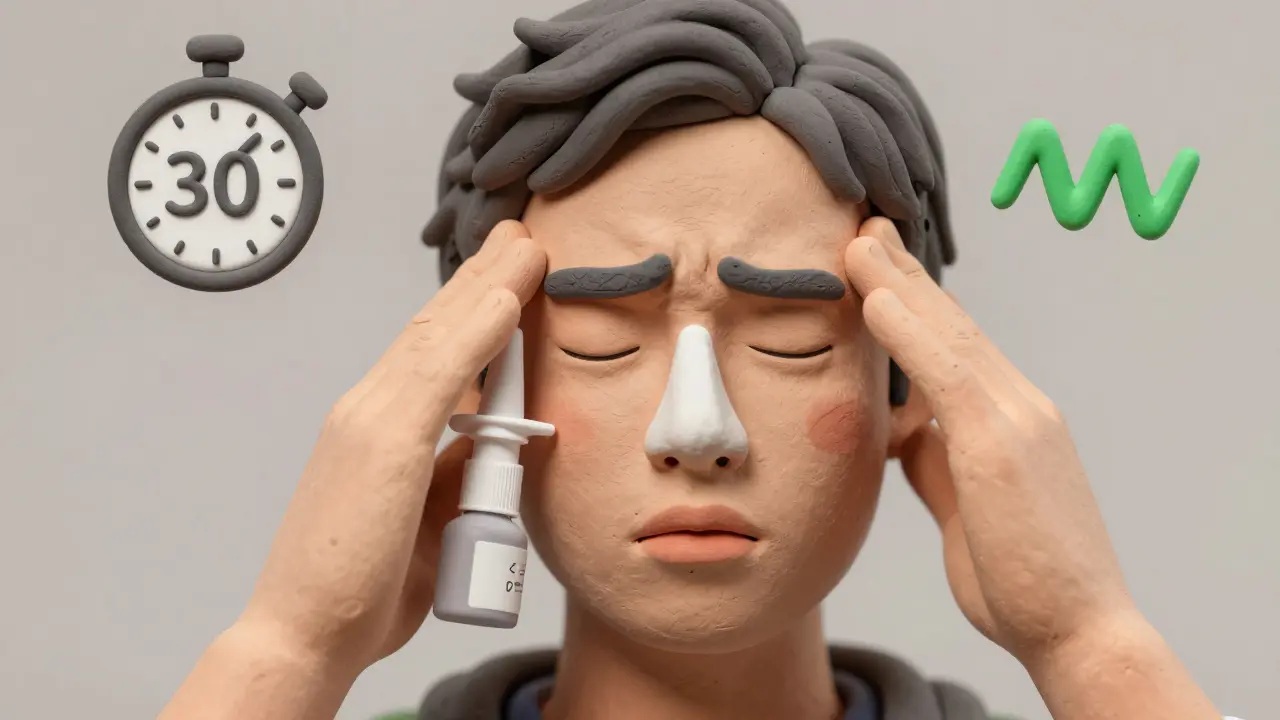
| Zavegepant | CGRP antagonist | 10mg nasal spray | 24% pain freedom | Approved in 2023; ideal for nausea |
| Acetaminophen/Aspirin/Caffeine | Combination | 250/250/65mg | 40-50% pain freedom | Effective for mild to moderate migraines |
Preventive Medications: Stopping Migraines Before They Start
Preventive medications are for people who get migraines frequently-usually four or more times a month. These drugs are taken daily, even when you feel fine. They work by changing how your brain processes pain signals.
Beta-blockers like propranolol (40-240mg daily) and metoprolol (95-190mg daily) are common first-line preventives. They reduce migraine frequency by 50% or more in many patients. The American Academy of Neurology lists these as level A evidence for prevention.
Anticonvulsants such as topiramate (50-200mg daily) and valproate (500-1000mg daily) are also widely used. Topiramate can cause weight loss and cognitive side effects, but it's effective for many. For menstrual migraines, long-acting triptans like frovatriptan (2.5mg twice daily) taken perimenstrually have proven effective in reducing frequency and severity.
CGRP monoclonal antibodies like erenumab (Aimovig), fremanezumab (Ajovy), and galcanezumab (Emgality) are monthly or quarterly injections that block the CGRP pathway. They're the first migraine-specific preventives. A 2020 AAN guideline confirmed their effectiveness, with 50% of patients reducing migraine days by half. These drugs are especially valuable for those who don't respond to traditional preventives.
Antidepressants like amitriptyline (10-100mg daily) are older options often used for migraine prevention. They're especially helpful for people with both migraines and depression. While not as targeted as newer options, they remain a solid choice for many patients.
Real-World Challenges in Migraine Treatment
Despite clear guidelines, many patients don't get the right treatment. A 2021 JAMA Network study found 15.2% of migraine visits still involve narcotics like opioids-despite guidelines against them. This can lead to medication overuse headaches (MOH), where frequent use of acute meds actually causes more headaches.
Cost is another major hurdle. Ubrogepant averages $905 for 6 tablets without insurance. While 65% of commercially insured patients get coverage, out-of-pocket costs can still be prohibitive. Migraine Strong's 2022 survey showed 41% of respondents developed MOH from overusing abortive meds-triptan users after about 10 doses per month, NSAID users after 15 doses.
Timing issues also matter. Migraine-induced gastric stasis often slows oral medication absorption. Mayo Clinic experts recommend sublingual, nasal, or injectable options during severe attacks. For example, zavegepant's nasal spray works well when nausea makes swallowing pills difficult. Migraine Strong's 2022 patient survey found 37% of respondents reported better results when taking medication with hydration and anti-nausea suppositories due to gastric stasis.

What's New in Migraine Treatment?
Recent FDA approvals are changing the game. Zavegepant (Zavzpret), approved in November 2023, is the first CGRP receptor antagonist nasal spray. Phase 3 trials showed 24% pain freedom at 2 hours versus 15% for placebo. It's especially useful for patients with nausea or vomiting.
The American Headache Society's 2024 guidelines, expected in April, will likely elevate lasmiditan and rimegepant to first-line status for triptan-resistant migraines. Lasmiditan's 2022 meta-analysis showed a 1.56 relative risk for pain relief at 2 hours-making it a top choice for those who can't take triptans.
Future developments include atogepant (Qulipta), currently in phase 3 trials for episodic migraine prevention. Evaluate Pharma predicts CGRP-targeted therapies will capture 65% of the migraine treatment market by 2028, displacing traditional triptans which currently hold 45% market share.
Frequently Asked Questions
When should I take abortive medications?
Take abortive medications as soon as you notice the first signs of a migraine. Starting treatment within one hour of headache onset significantly improves effectiveness and reduces the chance of recurrence. For example, a 2011 AAFP guideline found early treatment with almotriptan cuts 24-hour headache recurrence from 30-40% to 15-25%.
What are common side effects of triptans?
Triptans can cause chest tightness, dizziness, or tingling. These are usually temporary but can be concerning. If you have heart disease or high blood pressure, avoid triptans. Always check with your doctor before starting them.
How do CGRP inhibitors work?
CGRP inhibitors block the calcitonin gene-related peptide pathway, which is directly involved in migraine pain. Monoclonal antibodies like erenumab (Aimovig) attach to the CGRP receptor, while oral antagonists like rimegepant block the peptide itself. This targeted approach reduces migraine frequency and severity with fewer side effects than older preventives.
Can I use preventive meds if I only have occasional migraines?
Preventive medications are generally for people with frequent migraines-four or more per month. If you only have occasional attacks, abortive meds alone may be sufficient. However, consult a specialist to determine if prevention is needed based on your specific pattern.
What should I do if my current medication isn't working?
Don't stop taking medication without talking to your doctor. Many people need to try multiple options before finding the right one. Keep a detailed headache diary to track triggers and medication response. Your doctor may adjust doses or switch to a different class of drugs based on your symptoms.



Brendan Ferguson
I've been using sumatriptan for years, but recently switched to rimegepant. The fast-acting aspect is a game-changer for me. Especially when nausea hits, the oral dissolvable form works better than pills. Just make sure to take it early when you feel the aura coming on.
jan civil
Rimegepant works great for me with no chest tightness like triptans.
Jennifer Aronson
The data on CGRP inhibitors is compelling. In my experience, these treatments have significantly reduced migraine frequency without the side effects of traditional preventives. It's encouraging to see such targeted therapies.
Kate Gile
I agree completely! Switching to Aimovig was life-changing for me. The monthly injections are so easy and have cut my migraine days in half. Highly recommend discussing this option with your doctor.
Gregory Rodriguez
Oh, sure, let's all just take opioids for migraines. Because nothing says 'I'm a responsible adult' like popping Vicodin like candy. Seriously, the fact that 15% of visits still involve narcotics is a joke. Time to wake up, folks!
Dina Santorelli
Yeah, opioids are terrible, but the real problem is how the FDA and pharma companies push expensive CGRP drugs that most people can't afford. They're just milking patients for cash while ignoring cheaper options.
Lana Younis
CGPR inhibitors are the future, no doubt. But let's not forget the older meds like topiramete still work for many. Just need to find the right fit. Also, the cost is a huge issue-many people can't afford these new drugs. We need better access.
Matthew Morales
Totally agree with Lana! The cost is crazy high. I had to pay $900 for 6 pils of ubrogepant. 😭 But the good news is my insurance covers it now. Just wish it was cheaper for everyone.
Andre Shaw
Oh, please. CGRP inhibitors are just overhyped. The real solution is lifestyle changes-sleep, stress management, hydration. All these fancy drugs are just pharma's way of making money. They're not even that effective for most people.
Dr. Sara Harowitz
Overhyped? Are you kidding me? The data is clear! CGRP inhibitors have revolutionized migraine treatment. People like you are the reason so many patients suffer-ignoring proven treatments! You should know better!
Georgeana Chantie
Dr. Harowitz, you're so right! But there are serious side effects for some people. It's not a miracle cure. 😒
Carol Woulfe
Let me tell you something. The entire migraine treatment industry is a sham. Big Pharma is deliberately suppressing cheaper treatments because they want you dependent on expensive drugs. They know the real cure is simple-avoiding EMFs from cell phones and Wi-Fi. But they don't want you to know that. Wake up, people! Studies have shown that electromagnetic fields from everyday devices trigger migraines in susceptible individuals. Yet, the FDA and pharmaceutical companies continue to push expensive injectables and pills while ignoring the root cause. It's all about profit, not patient care. I've been researching this for years, and the evidence is overwhelming. They're lying to us. They're making billions while people suffer. The truth is out there, but they're hiding it. You need to wake up and demand real answers. It's time to take back your health from the corporations.
Kieran Griffiths
Carol, I appreciate your concern, but there's no evidence linking EMFs to migraines. Let's focus on proven treatments. I've seen many patients improve with a combination of meds and lifestyle changes. It's important to stay informed with science-based info.
Lisa Scott
Science-based? More like corporate propaganda. The studies are all funded by pharma. They manipulate data to sell drugs. The real cure is ignored. End of story.
Elliot Alejo
Everyone's experience with migraines is different. What works for one person might not work for another. It's crucial to work with a specialist to find the right treatment plan. Don't give up-there are options out there.