Men with an enlarged prostate should avoid common decongestants like pseudoephedrine, which can trigger sudden urinary retention. Learn safer alternatives and why this risk is often overlooked.
BPH: Understanding Enlarged Prostate Symptoms, Treatments, and Daily Management
When you start noticing you’re urinating more often, especially at night, or that your stream feels weaker, it might not just be aging—it could be BPH, a non-cancerous enlargement of the prostate gland that presses on the urethra and disrupts urine flow. Also known as benign prostatic hyperplasia, BPH affects more than half of men over 60 and nearly 90% by age 85. It’s not life-threatening, but it can seriously mess with sleep, confidence, and daily routines.
BPH doesn’t just mean frequent trips to the bathroom. It can lead to urgency, incomplete emptying, straining to start urination, and even urinary retention. These symptoms often get worse over time, especially if ignored. What makes BPH tricky is that it doesn’t always match how big the prostate looks on a scan—some men with a slightly enlarged gland have severe symptoms, while others with a much larger gland barely notice anything. That’s why treatment isn’t one-size-fits-all. Some men manage with lifestyle tweaks like cutting back on evening fluids or avoiding caffeine and alcohol. Others need medication—alpha-blockers to relax the prostate muscles, or 5-alpha reductase inhibitors to shrink the gland over time. And for those who don’t respond, minimally invasive procedures like UroLift or laser therapy offer real relief without major surgery.
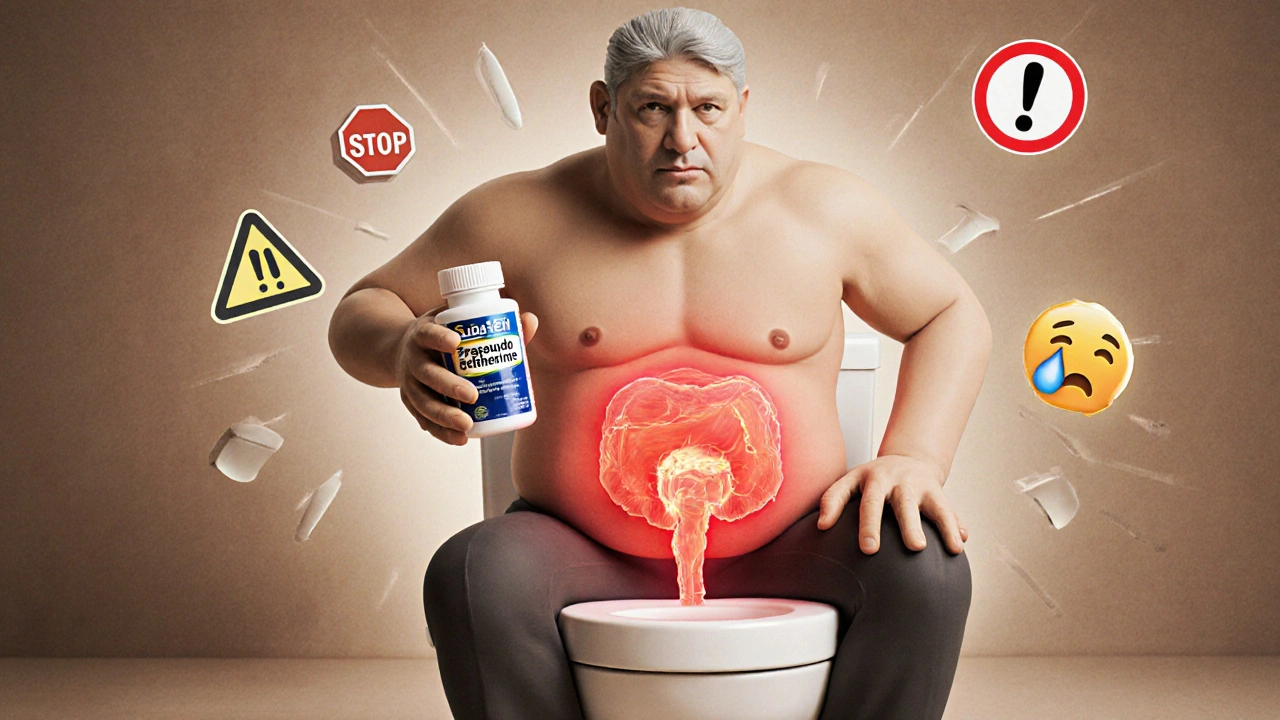
What’s often overlooked is how BPH connects to other health issues. Men with BPH are more likely to have high blood pressure, diabetes, or heart disease. Some medications for those conditions can make urinary symptoms worse. And if you’re taking something like an antihistamine or decongestant for a cold, you might suddenly find yourself unable to urinate at all—that’s a medical emergency. That’s why managing BPH isn’t just about the prostate; it’s about understanding how your whole body works together.
The posts below cover real situations men face—how BPH affects sleep, what drugs help and which ones to avoid, how to tell if it’s something more serious, and what to expect from treatments. You’ll find stories from men who’ve been there, practical tips on reducing nighttime bathroom trips, and clear comparisons of meds and procedures. No jargon. No guesswork. Just what actually works.
 23
Nov
23
Nov