
Learn how to choose the right OTC sunscreen with proper SPF, broad spectrum protection, and reapplication rules to prevent skin cancer and premature aging. Avoid common mistakes and pick products that actually work.
SPF Explained
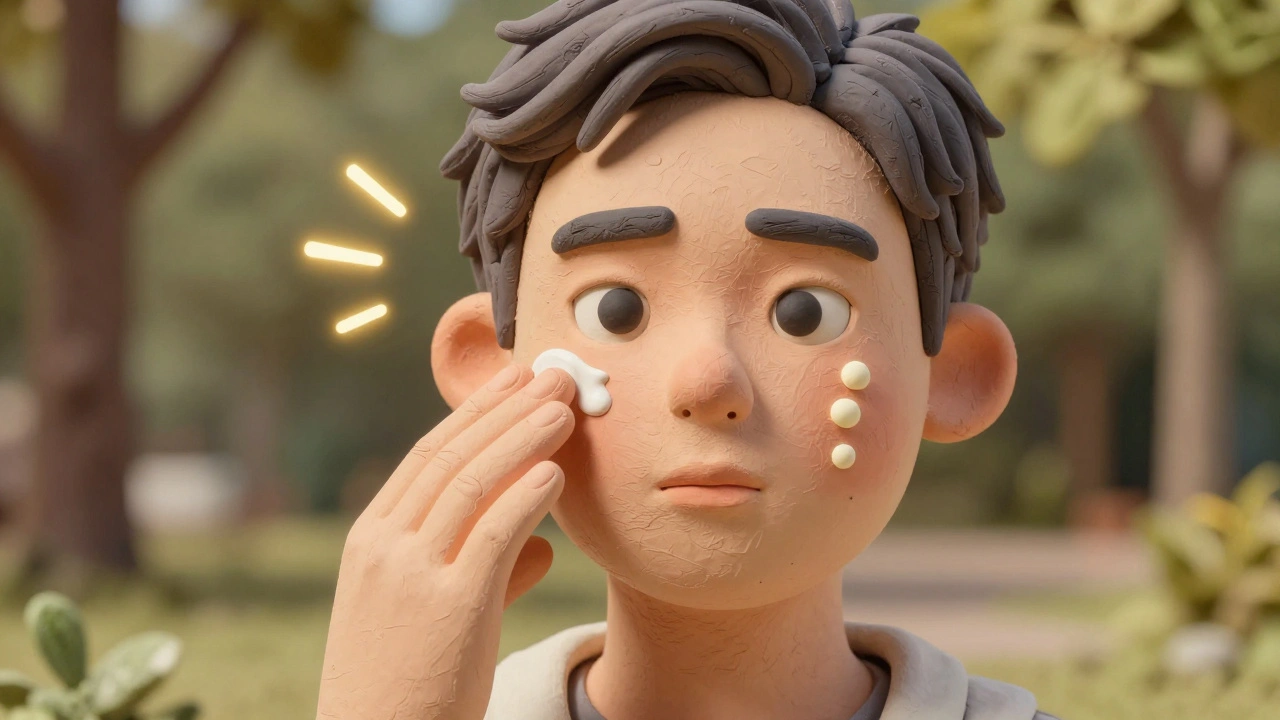
When you pick up a bottle of sunscreen, the SPF, Sun Protection Factor, a measure of how well a sunscreen protects skin from UVB rays that cause sunburn. It's not a measure of how long you can stay in the sun, but how much longer it takes for your skin to burn compared to no protection at all. If your skin starts to turn red in 10 minutes without sunscreen, an SPF 30 product theoretically lets you stay out 30 times longer—about 5 hours—before burning. But that’s only if you apply it thickly, evenly, and don’t sweat or swim. Most people apply half the amount they should, which cuts protection in half.
That’s why UV radiation, the invisible part of sunlight that damages skin and causes premature aging and skin cancer is the real enemy. UVA rays penetrate deeper, aging your skin over time. UVB rays burn the surface. A sunscreen labeled "broad-spectrum" protects against both. Without it, even high SPF numbers won’t stop long-term damage. You can have SPF 100 and still get skin cancer if it doesn’t block UVA. Look for ingredients like zinc oxide, titanium dioxide, avobenzone, or Mexoryl—they’re your best bet for full coverage.
Higher SPF numbers give diminishing returns. SPF 30 blocks about 97% of UVB rays. SPF 50 blocks 98%. SPF 100 blocks 99%. The jump from 30 to 50 isn’t double the protection—it’s barely a 1% gain. But people think SPF 100 means they can skip reapplying. That’s dangerous. Sweat, water, towel-drying, and time all wear sunscreen down. Reapply every two hours, or right after swimming or heavy sweating. No sunscreen lasts all day.
SPF isn’t just for beach days. It’s for walking the dog, driving to work, sitting by a window. UVA rays pass through glass. Daily use cuts your risk of melanoma by 50%, according to long-term studies in Australia. Kids’ skin is thinner and more sensitive—start them early. And don’t forget lips, ears, and the back of your neck. These are common spots for skin cancer.
SPF is only one piece of sun safety. Hats, sunglasses, shade, and timing matter too. Avoid the sun between 10 a.m. and 4 p.m. when UV is strongest. Clothing with UPF ratings gives you built-in protection. Sunscreen is your backup, not your shield.
What you’ll find below are real, practical guides on how to choose sunscreen that actually works, what ingredients to avoid, how to protect kids and sensitive skin, and why some "natural" sunscreens fail. These aren’t marketing claims—they’re based on how these products behave in real life, under real conditions. You’ll learn what works, what doesn’t, and how to make smarter choices without wasting money on hype.
 2
Dec
2
Dec